Short answer: A hazardous manual task is any job where someone lifts, carries, pushes, pulls, holds or restrains something (or someone) in a way that could injure them: heavy or sudden force, repetition, awkward posture, holding a position for a long time, or vibration. The Code of Practice sets out a simple process: find these tasks, work out what makes them risky, fix the cause (not just the worker), and check the fix works.
Watch: Bottom of the Pallet, about 90 seconds. See the episode →
The video didn’t load. Please refresh the page and try again.
Also: The Stubborn Load →
Why it matters
Body stressing (the strains and sprains that come from manual tasks) is the biggest single cause of serious workers’ compensation claims in Australia: 35.2% of them, according to Safe Work Australia’s Key Work Health and Safety Statistics Australia 2026. Most of these injuries build up over time: a back that aches a bit more each week, a shoulder that “just went” reaching for the same box for the thousandth time.
What makes a task “hazardous”
It isn’t just weight. Think about these five things, using real jobs:
| Risk factor | What it looks like |
|---|---|
| Repetitive or sustained force | Taping and lifting cartons at a packing bench all shift |
| High or sudden force | Jerking a loaded pallet jack that won’t roll; catching a falling box |
| Repetitive movement | Scanning and placing items on a conveyor hundreds of times an hour |
| Sustained or awkward posture | Bending to pick from the bottom of a pallet; reaching above shoulder height |
| Vibration | Using a grinder or riding a forklift over rough ground for hours |
A light box can still be a hazardous manual task if you bend to the floor for it 300 times a shift.
The four steps, with Kev’s warehouse
Kev manages a warehouse in Ipswich. Here’s the Code’s process, the way he’d actually use it.
1. Find the hazardous tasks
Kev doesn’t guess. He:
- asks the workers. They know which jobs hurt. “Which jobs leave you sore at the end of a shift?”
- looks at injury and incident reports, and early warning signs like people complaining of aches or swapping off certain jobs
- watches the work for the five risk factors above
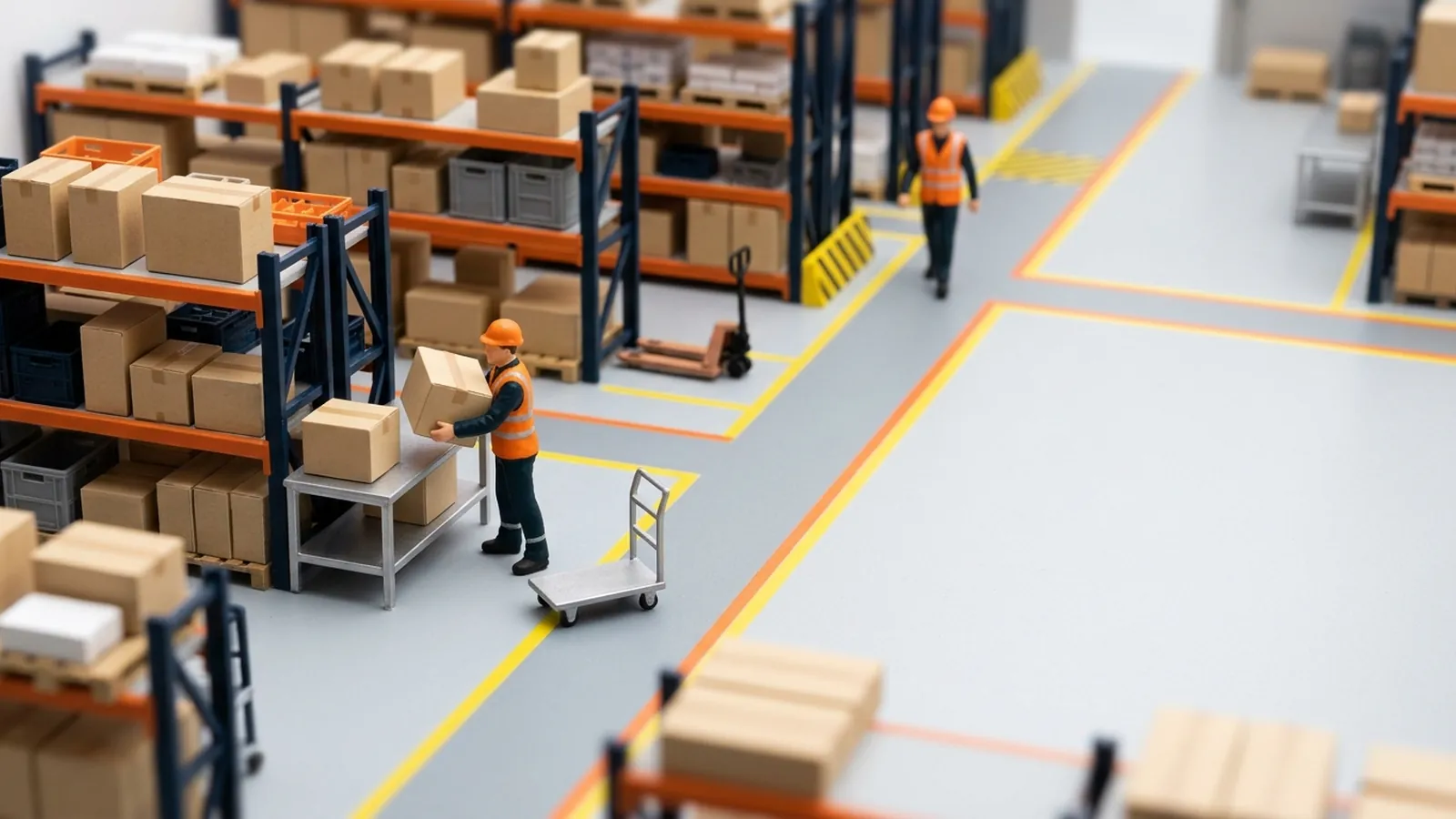
The answer: picking cartons from the bottom layer of pallets. Every picker bends to the floor dozens of times a shift.
2. Work out what’s causing the risk
The Code asks: what about the task, the load, the workplace or the way the work is organised is making it risky? For Kev:
- posture: bending to the floor, often while twisting to put the carton on a trolley
- repetition: dozens of lifts per shift
- the setup: pallets sit straight on the floor
3. Fix the cause, starting with the most effective fix
The Code is clear: change the task, the load or the workplace first. Training workers to “lift properly” is the last line, not the first.
Kev’s options, best first:
- Eliminate the bending: the forklift sets the pallet on a waist-height stand, so cartons are picked at a comfortable height. ✅ He does this.
- Use a mechanical aid: a lift table or a pallet turntable would also work.
- Change the work organisation: rotate pickers through different tasks, and spread the heavy picks across the shift.
- Training: show the safer method with the stand, so everyone picks the same way.
Training on its own, with the pallet still on the floor, wouldn’t fix the problem.
4. Check it worked
A month later, Kev asks the pickers again. The sore backs have gone, and picking is faster. He records the change, updates his risk assessment, and adds the new method to inductions.
More quick examples
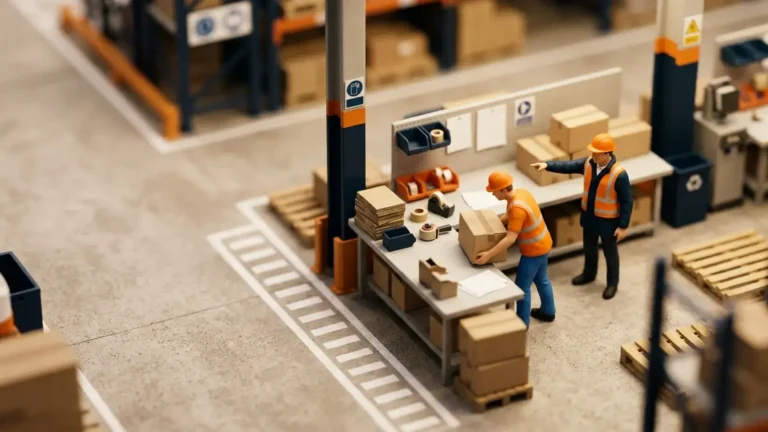
- The workbench shuffle: a packer reaches across a deep bench all day. Fix: bring the work in close, put the tape and cartons within easy reach, adjust the bench height.
- The loaded trolley: cartons are stacked so high the pusher can’t see. Fix: limit stack height, use two trolleys, keep routes clear.
- The high shelf: fast-moving stock stored above shoulder height. Fix: move it to waist-to-shoulder height; store heavy and frequently used items in the “golden zone”.
- People handling in care work: never “just lift” a person. Use the care plan, the right equipment and the right number of trained staff, as shown in Transfer With a Plan.
Designing it out from the start
The Code also applies to people who design and supply workplaces, plant and packaging. The cheapest time to fix a manual task is before it exists: specify benches at the right height, buy trolleys with good wheels, order stock in lighter cartons.
What the law says, in plain English
Australia’s WHS Regulations require businesses to manage the risk of musculoskeletal injury from hazardous manual tasks: identify them, eliminate the risk if possible, and otherwise reduce it, starting with changes to the work and workplace, and review the controls when things change. The model Hazardous manual tasks Code of Practice explains how. It has legal weight where your state or territory has adopted it. Victoria has its own manual handling regulations and a Hazardous manual handling compliance code, which follow very similar steps.
Your hazardous manual tasks checklist
- Workers asked which tasks are hardest on their bodies
- Injury reports and early warning signs reviewed
- Each hazardous task checked for force, repetition, posture, sustained positions and vibration
- The cause identified: task, load, workplace or work organisation
- Fixes chosen in order: eliminate, change the workplace or load, mechanical aids, work organisation, then training
- Workers trained in the new method, and understanding checked
- Fix reviewed after a few weeks, and the risk assessment updated
Common questions
Is there a maximum weight a worker can lift?
No single legal limit applies to every situation. The risk depends on the weight together with posture, repetition, distance, the load’s shape and the person. That’s why the Code focuses on the whole task.
Is manual handling training enough?
No. Training helps, but the Code expects you to fix the task and the workplace first. Training alone, with the same hazardous setup, rarely prevents injuries.
Who should we consult?
The workers who do the task, and your health and safety representative if you have one. They usually know the problem and often the fix.
How often should we review?
When tasks, equipment, layout or people change, after an injury or complaint, and at regular intervals.
Sources
- Safe Work Australia, Hazardous manual tasks model Code of Practice
- Safe Work Australia, model WHS Regulations: r5 (definition of hazardous manual task), Part 4.2 (hazardous manual tasks)
- Safe Work Australia, Key Work Health and Safety Statistics Australia 2026 (p. 15)
- WorkSafe Victoria, Compliance code: Hazardous manual handling; Occupational Health and Safety Regulations 2017 (Vic) Part 3.1