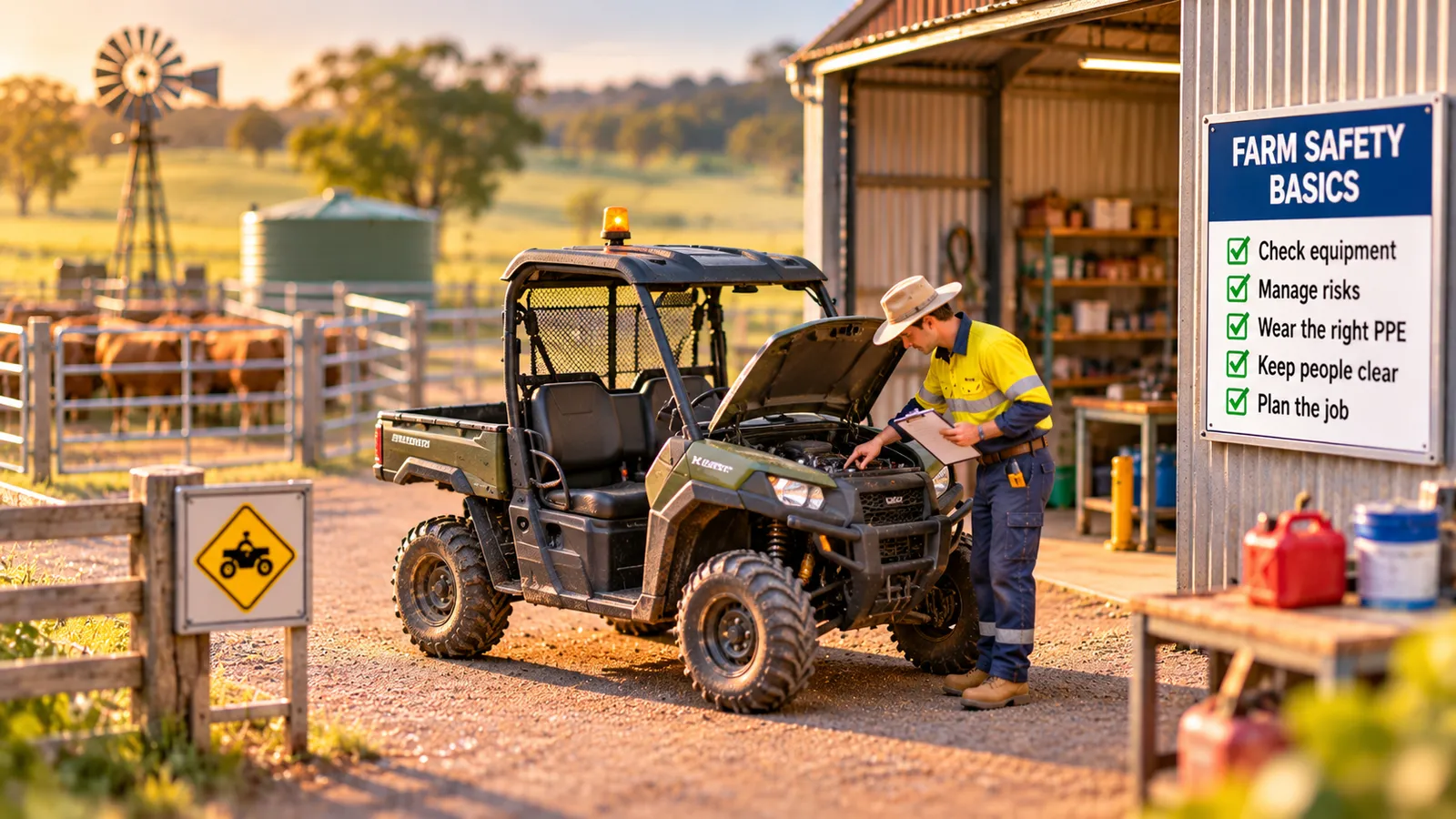
Short answer: Farms combine many of the most serious workplace hazards in one place: vehicles on rough ground, powerful machinery, chemicals, large animals, heat, and people working alone and far from help. Most farm injuries and deaths come from a handful of tasks. The habits that matter most are simple: the right vehicle and gear for the job, guards kept on, chemicals handled as the label says, a plan for working alone, and a proper induction for every new worker, including family, seasonal staff and visitors.
“We’ve always done it this way”
Bill runs a mixed cattle and cropping property outside Dalby with his daughter Jess and two seasonal workers. He’s been on quads since he was ten. When Hanna, a backpacker on a working holiday, starts in October, Bill tosses her the keys to the quad on her first morning and points her to the back paddock to check water.
Bill isn’t careless. He’s busy, and the quad is just a tool to him. But Hanna has never ridden one on a slope, nobody has shown her the property, and nobody will notice for hours if she doesn’t come back.
The big hazards, and the everyday fixes
Quads and side-by-sides
- Match the vehicle to the job. For many tasks, especially with loads or passengers, a side-by-side with a roll-over protective structure and seatbelts is safer than a quad.
- Helmets on, every ride.
- No passengers on a quad unless it’s built for them. No children on adult quads.
- Show new riders the property’s slopes, gullies and no-go areas before they ride alone.
Machinery
- Keep guards on, including power take-off (PTO) shaft guards. (See Missing Guard.)
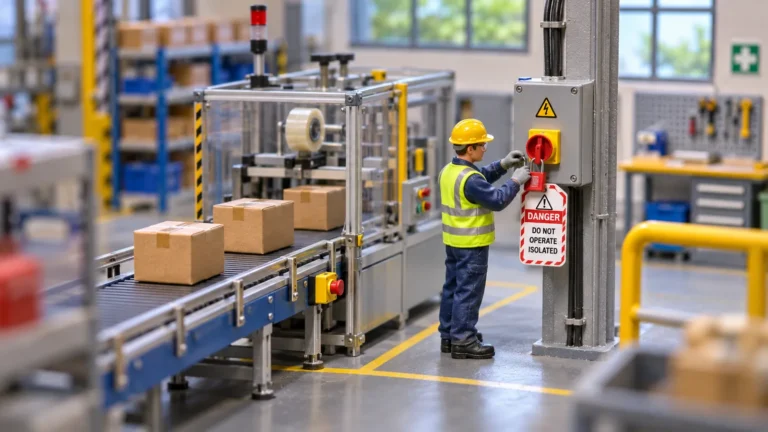
- Switch off and isolate before clearing a blockage or doing maintenance. (See The Jam.)
- Only trained people operate tractors, augers and balers.
Chemicals
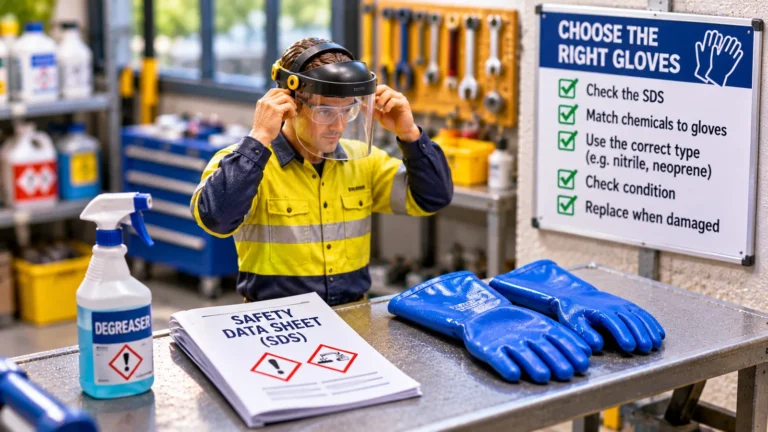
- Read the label and the safety data sheet before using a farm chemical.
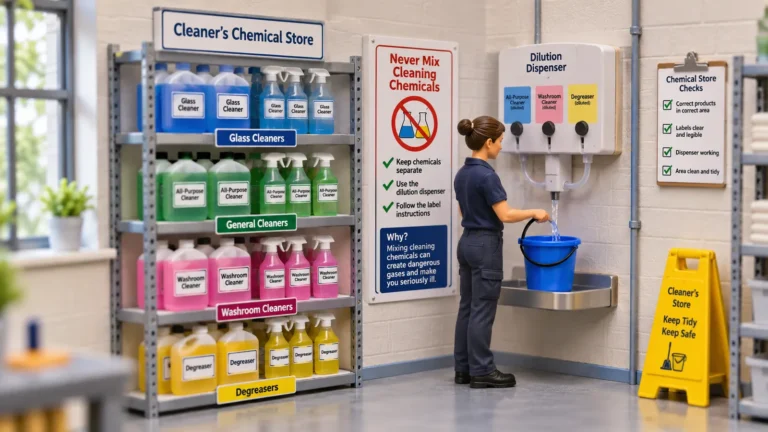
- Wear the gear the label calls for, and mix only as directed. Never mix products that don’t say they can be mixed. (See Never Mix.)
- Store chemicals locked away from food, water and children, and label anything decanted.
Livestock
- Know how the animals move and where to stand. Use proper yards, races and crushes.
- Don’t rush a mob or a gate.
Heat and sun
- Water, shade and rest breaks. Long sleeves, a broad-brimmed hat and sunscreen.
- Heavy work early in the day in summer.
Working alone
- Someone always knows where you’re going and when you’ll be back.
- A way to call for help: phone coverage, a radio or a personal locator beacon.
- A check-in time, and a plan if someone doesn’t check in.
The farm induction: every new person, every time
A short induction on day one covers most of this:
- A drive or walk around the property: boundaries, dams, slopes, power lines, no-go areas.
- Which vehicles and machines they may use, and who shows them how.
- Where the chemicals, first aid kit and fire gear are.
- How to check in when working alone, and what to do in an emergency.
- Who to ask when they’re not sure.
That includes seasonal workers, contractors, family members helping out, and visitors.
What the law says, in plain English
A farm business has the same duties as any other workplace: manage the risks to workers and others, as far as it reasonably can. That includes vehicles, machinery, chemicals, livestock, heat and remote work, and giving workers the information, training and supervision to work safely. Workers have to take reasonable care and follow reasonable instructions. Victoria has its own law with very similar expectations. Some states also have specific rules or rebates for quad bike safety equipment.
Toolbox talk: three questions for your crew
- Which job on this property worries you most, and why?
- If you were hurt in the back paddock, how would anyone know?
- Which vehicle should we use for checking water with a load on board?
Common questions
Do family members need an induction?
Yes. The same hazards apply, and family members, especially children and older relatives, are often the people hurt on farms.
Are helmets required on quads?
Helmets are strongly recommended for every ride, and some states have specific rules. Check with your state regulator.
How do we induct seasonal workers who don’t speak much English?
Keep it practical: show rather than tell, use pictures and short videos, and check understanding by asking them to show you.
Sources
- Safe Work Australia, agriculture industry guidance (including quad bikes and side-by-side vehicles)
- Safe Work Australia, Model Code of Practice: Managing the risks of plant in the workplace
- Safe Work Australia, Model Code of Practice: Managing risks of hazardous chemicals in the workplace
- Safe Work Australia, Model Code of Practice: Managing the work environment and facilities (including remote and isolated work)
- Safe Work Australia, model WHS Act: s19 (primary duty of care), s28 (duties of workers)
- WorkSafe Victoria, Occupational Health and Safety Act 2004