
Office and remote work safety training videos
Short safety videos for office teams and people working from home: the everyday hazards, plus the psychosocial ones that now sit firmly in WHS law.
What SafeLee covers for office and remote workers
Each SafeLee episode covers one hazard in about a minute and a half: the shortcut, a pause to ask how it should be done, then the safer way.
Office teams still lift boxes of paper, reach for high shelves, trip over cables and carry heavy workloads. The library covers those, plus workplace banter that crosses the line and aggressive visitors at the front counter.
The Working from home series has started with Set Up at Home, on setting up a proper workstation at home, Home Hazards, on leads, power boards, smoke alarms and safety switches, You Can Tell Us, on support for workers experiencing family and domestic violence, and Tell Them It’s Changed, on telling your manager when your home workplace changes. Five more episodes are coming, covering moving and breaks, logging off, staying connected, abusive calls, and help at home.
Cyber safety episodes for office teams are coming soon.
Every episode is awareness training that names the hazard the way the code of practice does.
This awareness training supports, and does not replace, your employer’s risk management process and task-specific training.


Office and remote work episodes available now
Each episode covers one hazard in about a minute and a half, and comes with a short quiz and a one-page safe work guide.
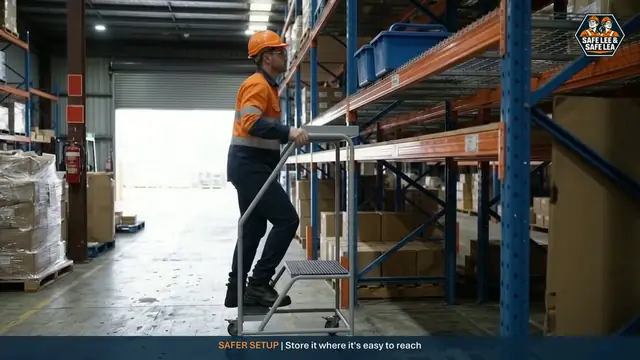
The High Shelf
Keep what you use most within easy reach, and use the right gear for anything stored up high.
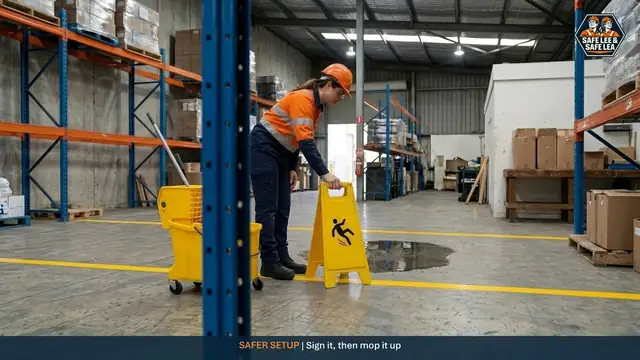
Wet Floor
Protect the spill until it’s cleaned up.
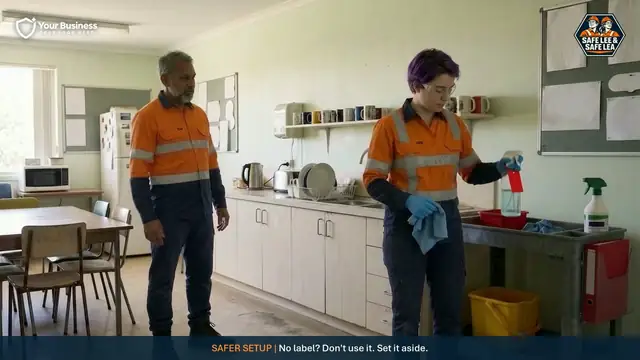
The Mystery Bottle
If you cannot identify it, don’t use it.
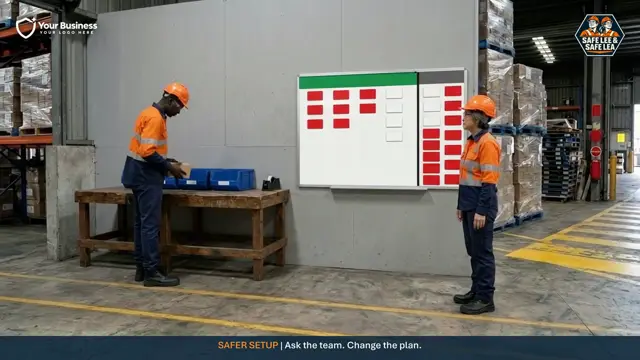
Too Much at Once
Fix the workload, not just the symptoms.
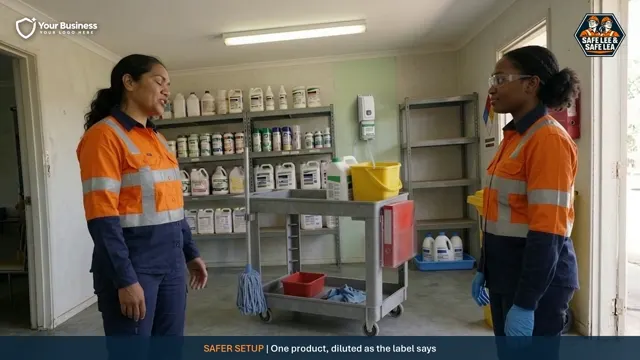
Never Mix
Never mix. Follow the label.
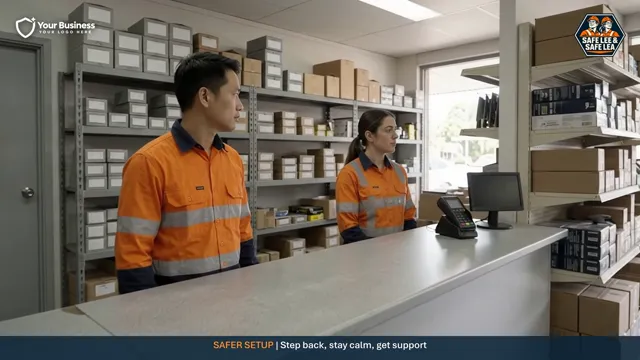
Aggression at the Counter
Know when to call for support or step away.
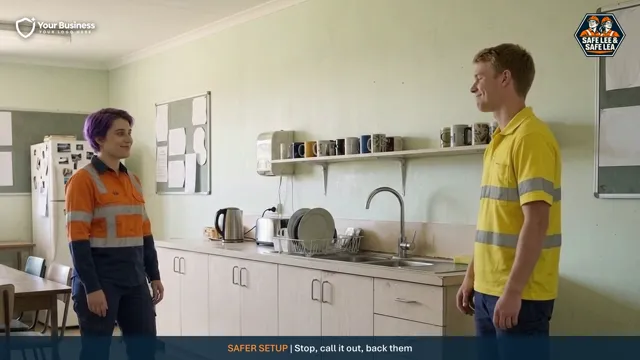
Banter That Crosses the Line
Back the person who speaks up, and follow through.
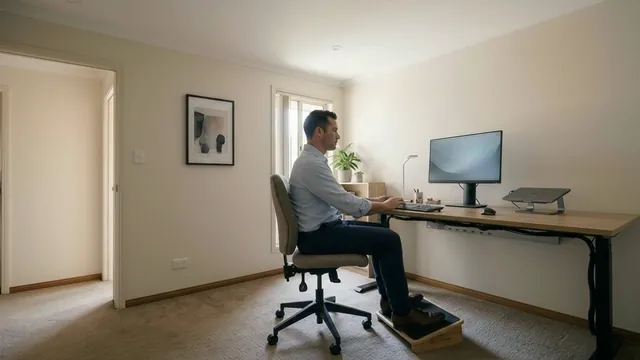
Set Up at Home
At home or at work, set up right.
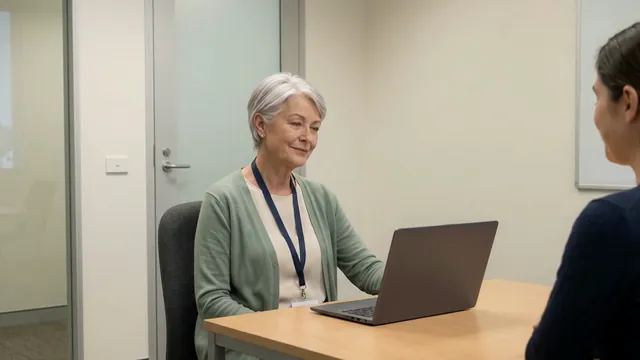
You Can Tell Us
You can tell us, and we can help.
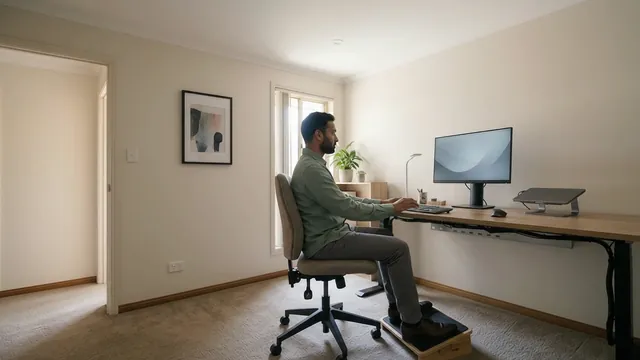
Tell Them It’s Changed
If it’s changed, tell them.
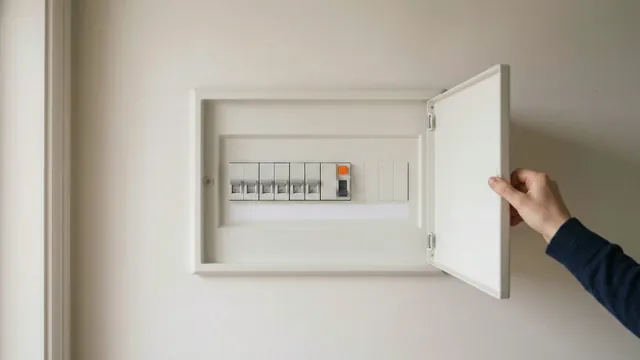
Home Hazards
At home or at work, keep it safe.
Coming soon: more Working from home episodes, plus office episodes on evacuation, electrical, information security and safe AI use.
Common questions
Which office hazards are covered?
Lifting and reaching, walkways and cords, wet floors, workload, banter that becomes bullying, and aggressive customers or visitors.
Do you cover working from home?
Yes. The Working from home series has started with Set Up at Home, on setting up a proper workstation at home, Home Hazards, on leads, power boards, smoke alarms and safety switches, You Can Tell Us, on support for workers experiencing family and domestic violence, and Tell Them It’s Changed, on telling your manager when your home workplace changes. Five more episodes are coming, covering moving and breaks, logging off, staying connected, abusive calls, and help at home.
Are the videos mapped to the codes of practice?
Yes. Australian episodes are awareness training mapped to the Safe Work Australia model Codes of Practice, and every episode names the hazard the way the code of practice does. Model Codes have legal effect only where they’re adopted in your state or territory, and each safe work guide links to your local regulator.
Do psychosocial hazards count as workplace safety?
Yes. Under the model WHS Regulations, psychosocial hazards such as excessive workload and harmful behaviour are managed like any other hazard. The Safe Work Australia model Code of Practice on psychosocial hazards sets out how.
How do staff complete the training?
Each person gets a personal link that opens on a phone or computer, with no app or account. Completions and quiz answers go into your training register, ready to export.
Try it with your team
Watch every released episode free for 30 days with up to 20 workers. No card needed. Prefer to talk first? Send us an enquiry.